
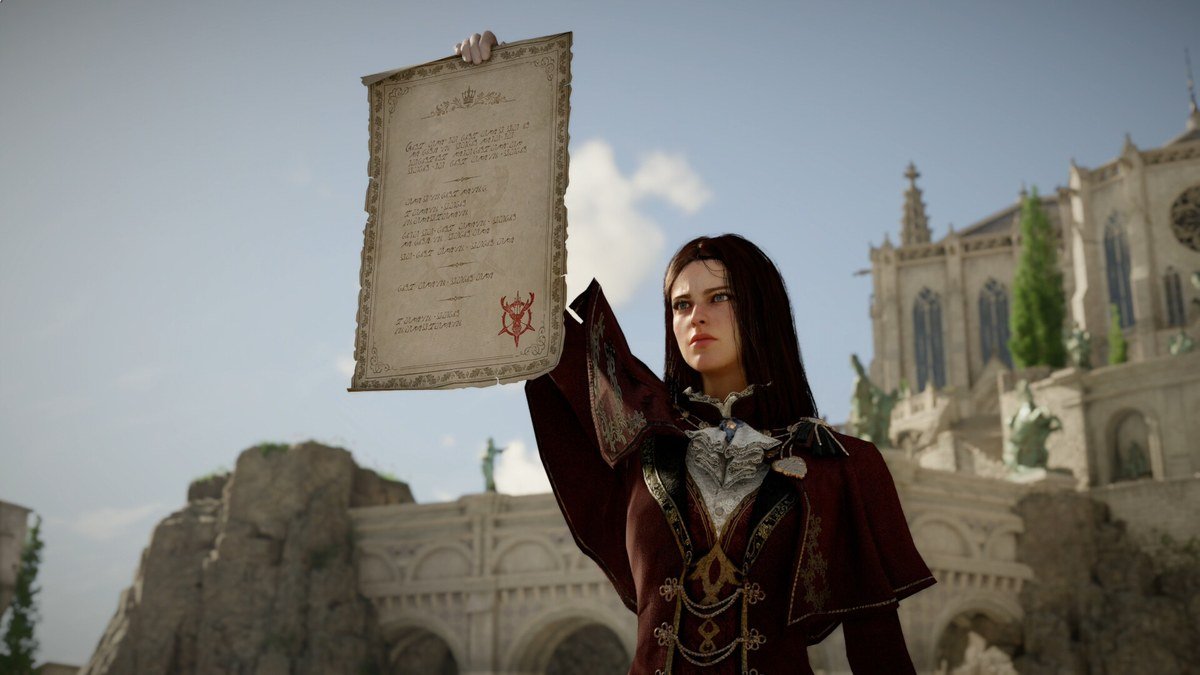
Crimson Desert’s first paid expansion, Charting the Unknown, arrived on October 29 after a short delay, and it does not do things by halves. For $24.99 (£19.99) it pushes Pywel out into an open ocean that, by most community measurements, covers well over twice the area of the original continent. It also bolts on ships, diving, housing, castle management and new story chapters. We covered what’s in the box at launch; this is how it is actually landing.
At a glance
- The $24.99 expansion adds an ocean bigger than the original continent, plus ships, diving, housing and new story chapters.
- Sailing, naval fights and underwater exploration are the highlights; the surface of the sea can feel sparse.
- Steam reviews sit in the high 70s, with story and console performance the most common complaints.
An expansion this big can’t be judged properly in a few days, so this is an early verdict rather than a final score: what works, what doesn’t, how it runs on each platform, and whether it is worth buying now.
Table of contents
- How Charting the Unknown is landing with players
- Sailing and naval combat are the real upgrade
- The ocean: empty on top, packed underneath
- Housing, castles and life-sim systems
- Story is still the weak link
- Performance and bugs by platform
- Do you need to finish Crimson Desert first?
- Charting the Unknown review verdict so far
How Charting the Unknown is landing with players
On Steam the expansion opened at Mostly Positive, with around 78% of its first few hundred reviews recommending it. User scores on console storefronts and aggregators are far higher, but many of those went up within hours of launch, so the Steam figure is the more honest read.
Player numbers tell a quieter story. The DLC launched in the same week as Phantom Blade Zero, and its first-day bump on Steam was modest next to the base game’s spring launch, which drew well over a quarter of a million concurrent players. Numbers did climb through the first weekend, and a large share of Crimson Desert’s audience plays on PS5 and Xbox, which Steam charts don’t show.
Sailing and naval combat are the real upgrade
Ships work as a new kind of mount, and the handling is the surprise: sailing feels weighty but responsive, and the sea is busy with NPC fleets fighting each other, cannon fire, ramming and boarding actions, including enemies gliding in on kites. Storms roll in without warning and change how a fight plays out. It isn’t Black Flag with a new coat of paint, either. The boarding fights run on Crimson Desert’s own melee combat, which is still its strongest system.
The word from players
A game that was never sold as a pirate game now handles ship combat better than some that were.
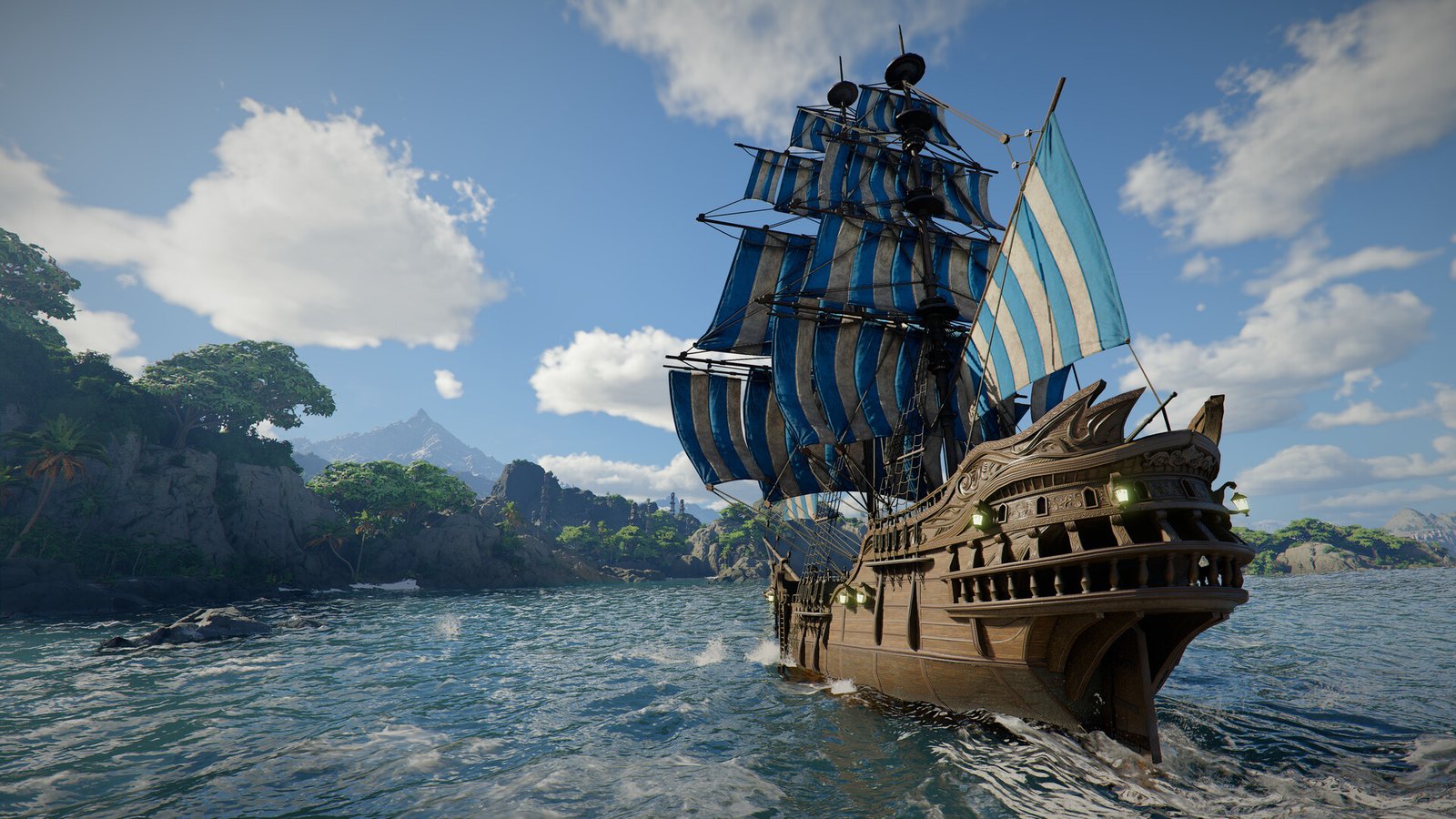
The friction is in the economy. Here’s what getting afloat involves:
- You earn ships through dispatch missions or buy them from fleet masters, then fit new parts and hire a crew.
- Prices climb steeply. A medium ship runs to 1.2 million Camp Funds, and the large one costs five times that, a full 6 million.
- If your ship is sunk while you’re diving, replacing it costs close to the full price again, and you can’t capture an enemy vessel to get home.
Expect a long stretch of grinding before you’re sailing anything impressive.
The ocean: empty on top, packed underneath
The most common criticism is the one you’d guess from the map: zoom out and it’s a huge sheet of blue with islands scattered across it. Anyone hoping for a second continent will be disappointed.
That reading misses where the content went. Charting the Unknown builds downward, not outward. Diving adds a breath meter you stretch with better suits and food, and below the surface you’ll find:
- trenches, caves, sunken wrecks and ruins, some deep enough that reaching them is a project in itself
- marine life to hunt with a harpoon, and sea creatures you can tame as underwater mounts
- some of the expansion’s best loot, hidden well away from the islands
Back on the surface, uninhabited islands can be claimed, built up with docks and camps, and staffed with crew to gather resources. The sea rewards curiosity rather than handing you a checklist, which suits some players far better than others.
Housing, castles and life-sim systems
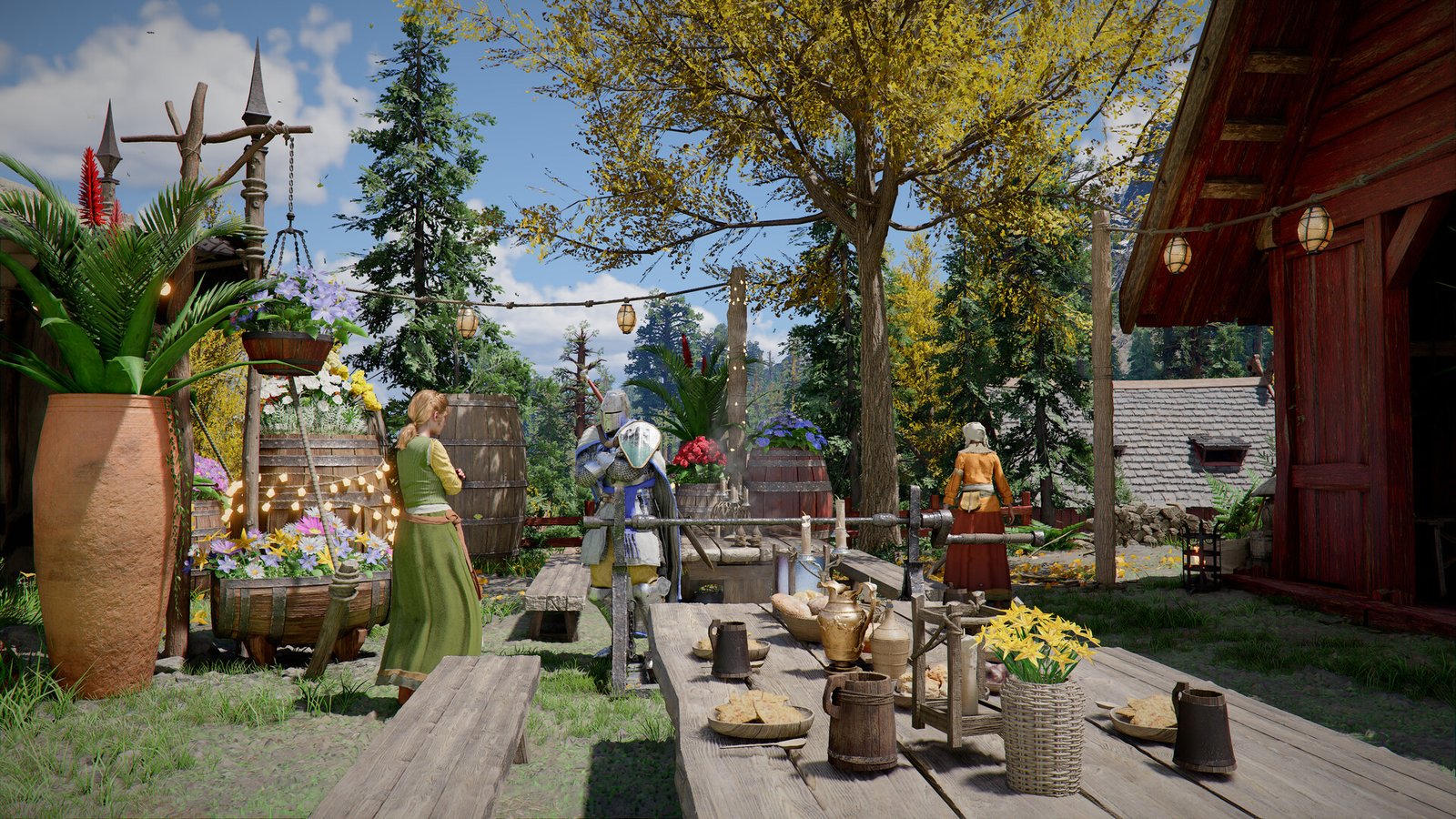
Away from the water, the expansion leans hard into life sim. Free-form construction lets you build and lay out your own home, two castles can be taken over and run, and stronghold businesses such as sawmills, smithies and restaurants earn passive income. Relationships go further too, with marriage now possible and a long list of new residences to visit.
It’s a lot of systems for a $25 add-on, and that’s where the only real argument about value comes from. Some players question whether romance and housing decoration should have been free updates rather than part of a paid expansion. Few think the price is too high for what’s here.
Story is still the weak link
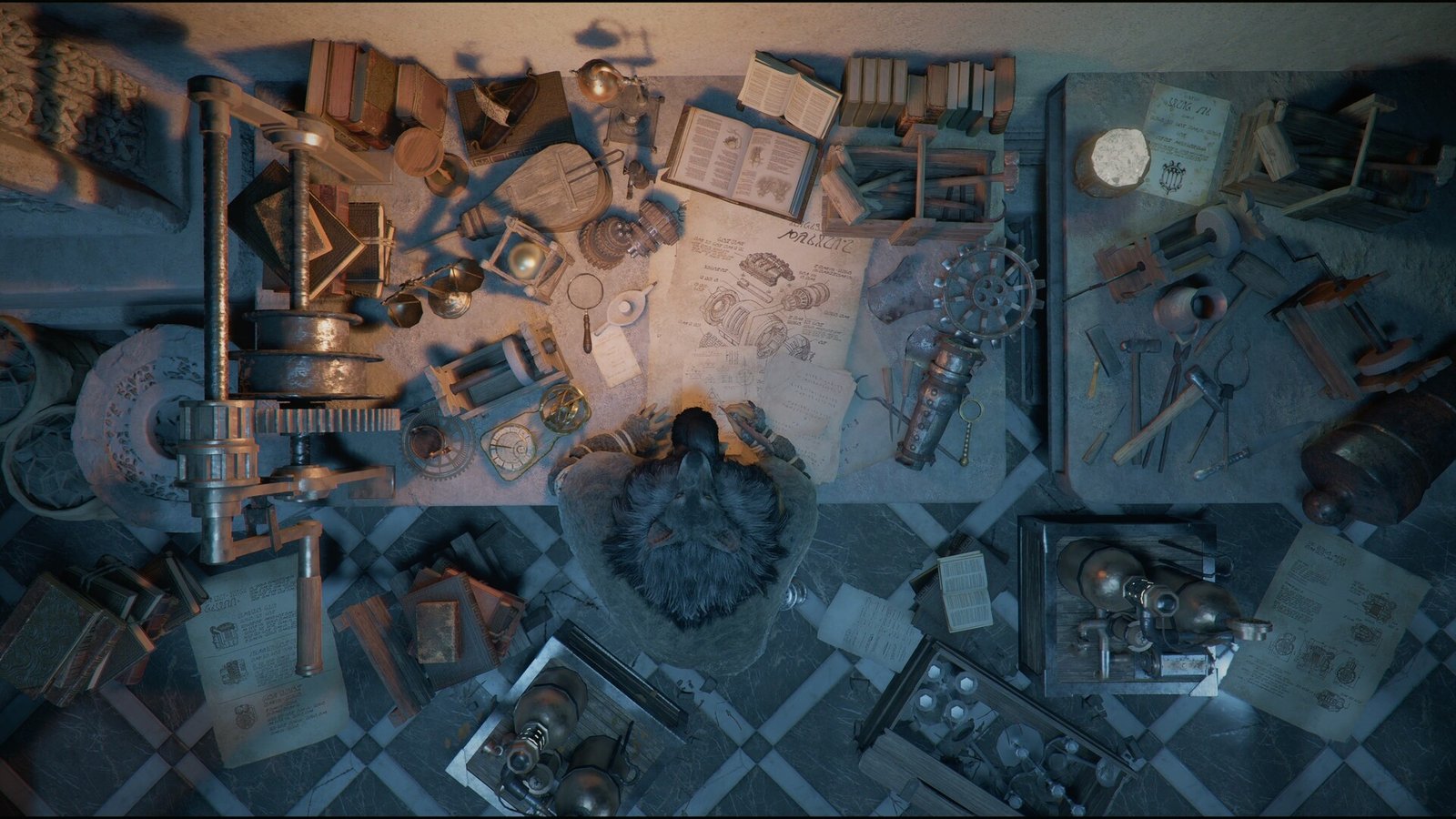
Charting the Unknown adds post-game chapters for Kliff, Oongka and Damiane, but it doesn’t fix the base game’s biggest weakness. Characters remain thin, side quests repeat the same few shapes, and the main plot mostly exists to move you between set pieces. Some early quests also pad things out with chores, a fishing errand being the most obvious example. If the writing kept you from loving the base game, nothing here will change your mind.
Performance and bugs by platform
- PC: Update 2.04 lets you set upscaling and frame generation separately, so you can mix, for example, DLSS upscaling with FSR frame generation. It also fixed earlier frame drops and some enemy and camera glitches. Image noise from the ray tracing and upscaling setup is still visible, and the update broke some popular visual mods.
- PS5: Frame rate dips in heavy combat and busy towns are the main complaint, and the camera can be uncomfortable for motion-sensitive players.
- Xbox Series X|S: Some players couldn’t get into the game at launch. A follow-up patch fixed it within a day.
- Saves: A save made with the expansion installed won’t load in a version of the game without it, which matters if you use cross-save between platforms.
- Exploits: At least one stronghold business can currently generate money far faster than intended. Expect a fix.
Do you need to finish Crimson Desert first?
Only for part of it. The ocean opens long before the ending:
- Sailing and the ocean: finish the main quest “Howling Hill,” upgrade Greymane Camp, then take on “A Wider World.”
- Housing and free construction: available once the Howling Hill camp is set up and “Luke’s Request” is done.
- Flame Knight’s Castle: finish Damiane’s politics questline and liberate its stronghold.
- New story chapters, the Garden of Trials and Drake’s Fall Castle: need the final main quest, “Journey’s End.” Drake’s Fall also needs its stronghold liberated.
The Garden of Trials is a ten-tier rematch gauntlet rather than a set of new bosses. Healing food is banned, and you rotate through all three characters as you climb.
Charting the Unknown review verdict so far
Charting the Unknown is the rare expansion that changes what kind of game you’re playing. Sailing and diving are good enough to carry a smaller game on their own, and the sheer amount of content for $24.99 is hard to argue with. Its problems are the same ones Crimson Desert has always had: forgettable writing, filler errands, and console performance that still needs work.
Buy it now if you:
- love open-ended exploration and want a reason to go back to Pywel
- have finished the main story and want the epilogues and the Garden of Trials
Hold off if you:
- are still early in the base game with plenty of the mainland left
- play mainly for story
- are on console and sensitive to frame drops, since a few more patches should help


